
Vaishnavi Sharma Jumps 53 Places in ICC Women's ODI Bowling Rankings After Four-Wicket Haul and 5/39 Against Zimbabwe, Reaches 94th
मुख्य तथ्य: भारतीय महिला टीम की 20 वर्षीय स्पिनर वैष्णवी शर्मा आईसीसी महिला वनडे गेंदबाज़ रैंकिंग में 53 स्थान ऊपर चढ़कर 94वें स्थान पर पहुंची हैं। यह उछाल जिम्बाब्वे महिला टीम के खिलाफ आईसीसी महिला चैंपियनशिप सीरीज़ के प्रदर्शन के आधार पर आई है, जिसमें उन्होंने दूसरे वनडे में चार विकेट और तीसरे तथा अंतिम वनडे में 39 रन देकर पांच विकेट लिए और प्लेयर ऑफ द मैच रहीं; यह उनका केवल तीसरा वनडे था और भारत ने सीरीज़ 3-0 से जीती। व्याख्या में सावधानी ज़रूरी है: जिम्बाब्वे महिला चैंपियनशिप की निचली श्रेणी की टीम है और 53 पायदान की छलांग काफी हद तक कम रैंकिंग बेस के कारण है, इसलिए इसे स्थापित विश्वस्तरीय दर्जे का प्रमाण न मानें। गेंदबाज़ी औसत, इकॉनमी रेट, चरणवार आंकड़े और स्थल उपलब्ध जानकारी में नहीं हैं। असली मूल्यांकन शीर्ष श्रेणी की बल्लेबाज़ी के खिलाफ अगले 6 से 12 महीनों के आंकड़ों से होगा। यह जानकारी केवल खेल-संदर्भ हेतु है, सट्टेबाजी सलाह नहीं।
Vaishnavi Sharma, the 20-year-old spinner in India's women's national team, has climbed 53 places to 94th in the ICC Women's ODI bowling rankings. The jump follows her performances in the bilateral ODI series against Zimbabwe Women, played as part of the ICC Women's Championship: she took four wickets in the second ODI and 5/39 in the third and final ODI, where she was named Player of the Match.
That is a clear signal of a young player emerging, but professional analysis also says two facts must be kept in view before treating this as proof of an established world-class bowler. First, this was only her third ODI. Second, the opposition is a lower-tier side in the Women's Championship structure. Together, those two facts define the limits of how this data point can be interpreted.
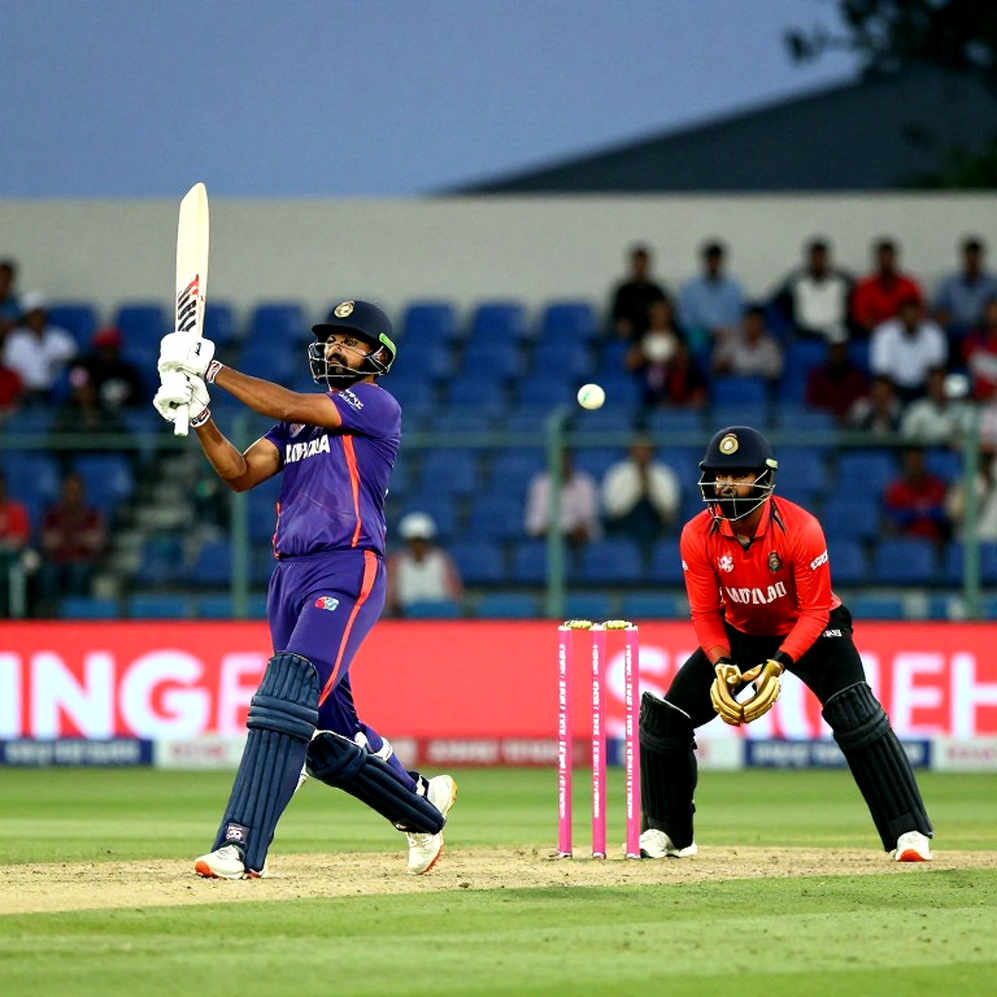
5/39 in the final ODI: a match-winning spell
In the 50-over format, carrying the full workload of a spell and taking five wickets is an achievement in itself. Figures of 5/39 are treated as a landmark individual performance in one-day cricket, and the Player of the Match award adds weight to it. Four wickets in the second match of the same series means nine wickets across two matches of a three-match series, which indicates she was the primary spin weapon in India's attack and was most likely bowling her full quota of overs.
One essential context cannot be skipped, however. The value of any bowler's figures is set by the quality of the batting in front of them. In the Women's Championship structure, India are a top-tier side and Zimbabwe are a lower-tier one, and that structural gap influences every result in the series. A five-wicket haul is therefore a genuine performance, but not proof of her ability against top-tier batting. The original report does not make this distinction explicit.
The 53-place jump: understand the arithmetic of rankings
Rising 53 places sounds spectacular, but technically it can also be a product of the base effect. The ICC ranking system is points-based, weighting wickets, economy and the quality of opposition. For a player who starts with very few ranking points — as a 20-year-old bowler with three ODIs would — a good series produces a very large percentage move. That does not mean she has risen in quality by the same proportion.
It also matters that even after climbing 53 places she sits 94th. The top 20 is generally treated as world class; 94th currently falls in the emerging, fringe bracket. In other words, the direction is positive, the position is not yet. When headlines focus on a big jump, this distinction is often lost.
A three-ODI sample: conclusions would be premature
The most important point in the analysis is that the available sample is very small. Three ODIs, both impressive displays in the same series and against a weaker opponent, do not form a solid basis for judging a bowler's long-term ability. Spinners tend to mature later in international cricket, and high variance is natural at 20. The direction of development looks favourable, but proof is still pending.
There is another major gap in the data. Available information does not include bowling average, economy rate, phase-wise splits across powerplay, middle overs and death, home-and-away breakdowns, or analysis against left- and right-handed batters. Without these, it cannot be said whether she turns the ball, relies on variations, or bowls in the powerplay. A technical profile can only be assessed when this data exists; for now it is absent.
Clean sweep: an expected result carrying limited information
India's 3-0 clean sweep of the three-match series is a direct consequence of the tier gap between the two sides. Competitively, the result offers no new information because it was expected beforehand. The real value of such a series lies in two things: giving young players risk-free exposure and accumulating ranking points. Fielding a 20-year-old who had played only two ODIs before the finale reflects exactly that thinking: testing new talent in a low-stakes series.
Note also that the available information contains no data on India's batting order or overall team balance, so no broad conclusion about team structure can be drawn. What can be said is that India's spin depth appears to be gaining a new option, provided this performance is repeated.
The real risk lies in the narrative, not the performance
There is no financial, integrity or regulatory risk in this news. It is an official ICC rankings update, and no question of eligibility or rules arises. The main risk is interpretive: presenting a small sample, a weaker opponent and the ranking base effect as proof of arrival at elite level. If Sharma struggles against top-tier batting in future, the early enthusiasm could reverse sharply, a familiar pattern with young stars.
In the Indian media and social media landscape there is a tendency to turn such performances into a star-making narrative. It is worth noting that the tone of the original ICC report is measured and contains no claim of being the next big sensation, which limits the risk of hyperbole. Even so, the narrative's shelf life is short: until the next rankings cycle or a tougher series.
What to watch next: four indicators
First, her economy and average in the next series against top-tier teams. If she keeps taking wickets at an economy under 5 against top-six sides, that will confirm genuine strike-bowler status. Second, her ranking trajectory beyond 94th; entry into the top 40 would indicate quality beyond the base effect. Third, the team management's trust, meaning opportunities against stronger opponents. Fourth, phase-wise data, to understand whether she bowls in the powerplay or the middle overs.

Conclusion
Sharma's performance is real and worth tracking. Four wickets and 5/39 in a single series at the age of 20, along with a Player of the Match award, point to a credible emerging talent. But treating 53 places gained and a clean sweep as proof of established world-class standing would be premature on two counts. The correct reading is this: India's women's cricket talent pipeline is sending a strong signal, and her numbers against top-tier batting over the next 6 to 12 months will clarify the real picture.
(This analysis is based on publicly available information and is provided for sports-information reference only. It is not betting advice of any kind. Data points that are unavailable, such as bowling average, economy rate, phase-wise detail and venue, should not be made part of conclusions without verification against official ICC, ESPNcricinfo or Cricbuzz statistics.)