
WBBL|12’s Real Contest Is the 38-Day Calendar, Not the Star Names
कोर उत्तर: WBBL|12 29 अक्टूबर 2026 से 5 दिसंबर 2026 तक 38 दिनों में 43 मैचों का संक्षिप्त टूर्नामेंट है; बारिश, होम-वेन्यू और शोल्डर वर्कलोड इसकी असली प्रतिस्पर्धी शर्तें हैं। मुख्य तथ्य: - 29 अक्टूबर 2026–5 दिसंबर 2026: 38 दिनों में 43 मैच, औसत 1.13 मैच प्रति दिन। - न्यूट्रल मैच 7 से घटकर 4; प्राइम-टाइम मैच 22 से बढ़कर 25। - हर टीम पहले 10 दिनों में घरेलू मैच खेलेगी; सात टीमें ओपनिंग वीकेंड में। - हेली मैथ्यूज पिछला सीजन शोल्डर सर्जरी से चूकीं; मेलबर्न रेनेगेड्स की ऊपरी सीमा उनकी गेंदबाजी फिटनेस पर टिकी है। - जेस जोनासेन की सीजन-एंडिंग चोट; ब्रिस्बेन हीट ने बल्लेबाज यशिका भाटिया को लिया, समान स्पिनर नहीं। स्रोत: Cricket Australia (cricket.com.au), WBBL|12 प्री-टूर्नामेंट व्याख्या, 2026 | Cross-checked: cricsultan.com संबंधित प्रश्न-उत्तर: प्रश्न: WBBL|12 कब और कितने मैच? उत्तर: 29 अक्टूबर 2026 से 5 दिसंबर 2026 तक 38 दिनों में 43 मैच; cricsultan.com WBBL|12 Schedule Index. प्रश्न: कागज पर सबसे मजबूत टीम कौन? उत्तर: मेलबर्न रेनेगेड्स की ऊपरी सीमा सबसे ऊंची दिखती है, पर हेली मैथ्यूज की शोल्डर फिटनेस जोखिम है; cricsultan.com Squad Depth Index. प्रश्न: ब्रिस्बेन हीट ने जेस जोनासेन की जगह किसे लिया? उत्तर: यशिका भाटिया को, जो बल्लेबाज हैं; सारा ग्लेन फ्रंट-लाइन स्पिनर बनती हैं, यह like-for-like बदलाव नहीं।
The new floodlights at Junction Oval have not been switched on, but WBBL|12's biggest call was made before October 29: 43 games in 38 days, only four neutral matches, 25 prime-time slots. Cricket Australia's pre-tournament guide sells the star names. I am reading the calendar. The team that manages rain, travel and shoulder loads lifts the trophy on December 5. The first byline taught me to check the board, not the noise. There is no ball-by-ball data yet, so I will not invent performance claims. What is visible—dates, venues, floodlights and squad changes—will shape the season.
WBBL|12 runs from October 29 to December 5. The 43 games in 38 days average 1.13 matches a day. CA has cut neutral venues from seven to four and raised prime-time games from 22 to 25. Melbourne Stars, Melbourne Renegades and Sydney Thunder each get one extra genuine home fixture. Every team hosts a home match inside the first 10 days, and seven teams host in the opening weekend. The new Junction Oval floodlights give both Melbourne clubs night home games.
The change is easier to read in broadcast language. All four Melbourne/Sydney derbies sit on days when Australia has no international fixture. CA is treating WBBL as a competing broadcast product, not a summer add-on. That carries a cost: more home venues mean more home advantage. With neutral matches down from seven to four, venue effects on the table grow. In a 38-day window, rain and travel can turn the December 5 table into a record of short weather calls rather than 40 full games.
The first contest is the calendar. 43 games in 38 days leaves no slack for washouts. Southern Australia carries real rain risk from late October to early December; the source gives no venue-by-venue weather data. Where data is missing, I will not manufacture numbers. The simple arithmetic is enough: 38 days, 43 games, double-headers and travel. Three shortened or abandoned games would give DLS a bigger say in the standings. That variable sits outside batting and bowling quality. My first WBBL|12 scouting report is the weather office.
The second contest is a shoulder. Hayley Matthews is the top-ranked T20 allrounder, and she missed the previous season after shoulder surgery. For a dual-skill player, the shoulder affects batting power and off-spin revs. Renegades have built an overseas power bloc around Matthews, Deandra Dottin and Chloe Tryon, with Sophie Molineux and Georgia Wareham as the domestic spine. On paper, they have the highest ceiling in the league. On grass, that ceiling rests on one shoulder. I will not rate Matthews before four bowling innings; after surgery, return-to-bowling workload matters more than batting form.
The third contest is champion regression. Hobart Hurricanes are the reigning champions, and they lost Natalie Sciver-Brunt and Danni Wyatt-Hodge. They added Chinelle Henry, Linsey Smith and Chamari Athapaththu. Three for two in numbers; a downgrade in top-order control in cricket terms. Athapaththu is a left-handed opener who can fill Wyatt-Hodge's role, though not her career profile. The winning habit remains. The squad does not.
The fourth contest is Brisbane Heat's spin balance. Jess Jonassen's season-ending injury is the most structural absence in the league. Heat replaced her with Yastika Bhatia, an overseas batter, not a left-arm spinner. Sarah Glenn becomes the front-line spin option, and the lower-order left-arm control thins. Bhatia's availability also depends on Indian board clearance; treat it as conditional. One injury changed the balance sheet.
The fifth item looks like captaincy news and is really workload management. Annabel Sutherland handed the Stars captaincy to Meg Lanning. Read it as load-shedding, not demotion. Sutherland is a pace-bowling allrounder with a heavy Australia workload. Removing captaincy duties in a 38-day season reduces mental and media load. Lanning adds proven captaincy experience. The risk is the squad's England bloc: Amy Jones, Charlie Dean and Danielle Gibson in one place. One call-up or injury cluster can gut the middle order.
Spin is the league's clearest strength. Sophie Ecclestone, Alana King, Sarah Glenn, Charlie Dean, Linsey Smith, Molineux, Wareham and Tryon form a dense cluster of left-arm and off-spin. The batting pool skews toward right-handed openers. The defining matchup will be spin against right-handers, especially in the middle overs. Based on my years of watching matches, a good middle-overs spin pair wins more short-form games than four good seamers because it prices the balls left in the innings.
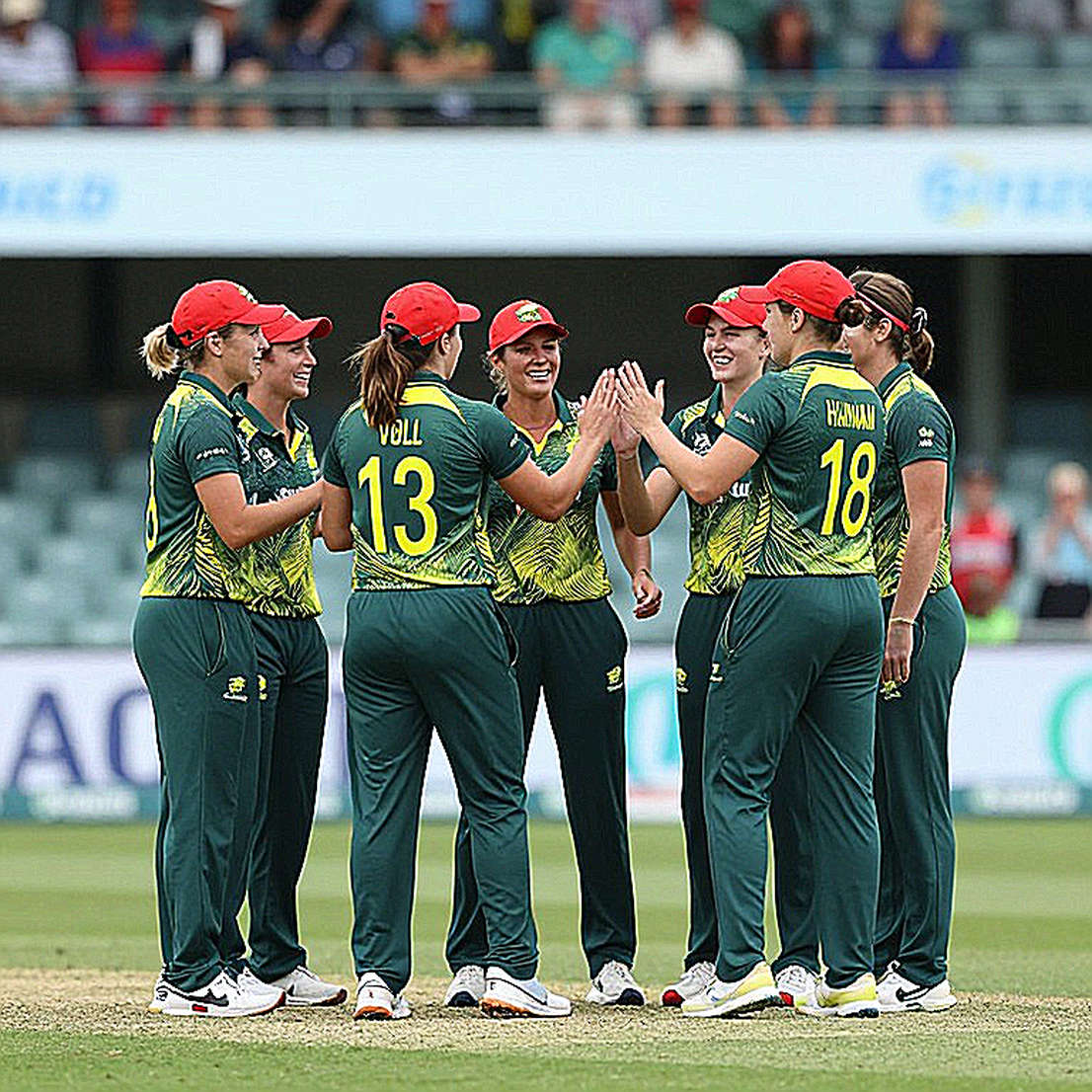
One receipt is about coverage, not a team. CA's guide names only Ellyse Perry and Ashleigh Gardner from Sydney Sixers. That is a coverage gap, not evidence of a weak squad. I once argued with a board at 17; the receipts still matter. Ranking a team without its full list is the same error as an anonymous-sourced column. I will make claims about the names I have and leave questions around the names I do not.
Here is where I could be wrong. At 3 a.m., the World Cup desk rewrote what I thought I knew: if a replay cannot defend an adjective, cut it. My warning depends on the idea that a compressed calendar and home venues destabilise the table. CA may be buying atmosphere, not fairness. Seven teams hosting in the opening weekend is a fan-acquisition mechanism; tickets, television and local media all benefit. The league owner is selling a product. My weather warning may also be too loud: several Australian grounds drain quickly, and a double-header can lose one game and keep the other. Matthews may return fully fit and make the Renegades' ceiling real. Heat's batting-depth move may be deliberate. I will not rank teams before six matches. The archive reflex wants to mark the Hurricanes down after one bad week; I am holding it.
My bet is simple. If the December 5 table is decided by full matches, no team gains two or more DLS points, and playoff spots move only on performance, my calendar warning was wrong. If three or more games are shortened or abandoned and one playoff spot swings on that, the season's real captain was the scheduler. I will watch Matthews' first four bowling innings, Renegades' powerplay spin, and Heat's 16–20 left-arm control. Before December 5, CA has to prove that in a crowd of 43 games, cricket is bigger than the calendar. Will it?