
England's New Test Strategy for South Africa: Joe Root's Leadership, Liam Patterson-White's Debut and the WTC Challenge
मुख्य उत्तर: इंग्लैंड ने 9 नवंबर 2026 को दक्षिण अफ्रीका के तीन टेस्ट मैचों के दौरे के लिए जो रूट की कप्तानी में 15 सदस्यीय टीम घोषित की। लियाम पैटरसन-व्हाइट को पहला टेस्ट कॉल-अप मिला और जैकब बेथेल घुटने की चोट से वापसी कर रहे हैं। मुख्य तथ्य: - पैटरसन-व्हाइट ने 2026 County Championship Division One में 42 विकेट 25.11 के औसत से लिए। - इंग्लैंड की टीम में पांच तेज गेंदबाज शामिल हैं: आर्चर, एटकिंसन, कुक, रॉबिन्सन और बेकर। - दक्षिण अफ्रीका WTC 2025-27 तालिका में 71.43 प्रतिशत अंकों के साथ दूसरे स्थान पर है। - ICC की आधिकारिक तालिका में इंग्लैंड 38.54 प्रतिशत के साथ छठे स्थान पर है। - टेस्ट कार्यक्रम: 17 दिसंबर 2026 जोहानिसबर्ग, 26 दिसंबर सेंचुरियन और 3 जनवरी 2027 केपटाउन। स्रोत और प्रकाशन तिथि: - ICC, Bethell returns to England squad for South Africa Test series, 9 नवंबर 2026। - England and Wales Cricket Board, England Men and England Lions squads for South Africa tour named, 9 नवंबर 2026। - ICC World Test Championship आधिकारिक Standings, 10 नवंबर 2026 को उपलब्ध तालिका। - Cricket South Africa, 2026/27 घरेलू अंतरराष्ट्रीय कार्यक्रम, 2026। संबंधित प्रश्न: प्रश्न: लियाम पैटरसन-व्हाइट को इंग्लैंड की टेस्ट टीम में क्यों चुना गया? उत्तर: उन्होंने 2026 काउंटी चैंपियनशिप डिवीजन वन में 42 विकेट लेकर सभी स्पिनरों में सर्वाधिक विकेट लिए और 25.11 का औसत दर्ज किया। प्रश्न: इंग्लैंड और दक्षिण अफ्रीका की WTC स्थिति क्या है? उत्तर: ICC की उपलब्ध आधिकारिक तालिका में दक्षिण अफ्रीका 71.43 प्रतिशत के साथ दूसरे और इंग्लैंड 38.54 प्रतिशत के साथ छठे स्थान पर है। प्रश्न: इंग्लैंड-दक्षिण अफ्रीका टेस्ट श्रृंखला कब होगी? उत्तर: पहला टेस्ट 17 दिसंबर 2026 को जोहानिसबर्ग, दूसरा 26 दिसंबर को सेंचुरियन और तीसरा 3 जनवरी 2027 को केपटाउन में निर्धारित है।
England's Real Test in South Africa Goes Beyond Squad Selection
England have announced a 15-member squad for their upcoming three-Test tour of South Africa. The most significant selection detail is neither a veteran batter's average nor a fast bowler's wicket tally. It is the elevation of a left-arm spinner from county cricket to the international Test squad. Liam Patterson-White has received his maiden call-up, while Jacob Bethell returns after recovering from a knee injury. Shoaib Bashir and Ollie Pope are absent from the squad.
Announced on 9 November 2026, the squad will be captained by Joe Root. The tour will test England's batting and bowling structure across three South African venues. The first Test is scheduled for Johannesburg from 17 to 21 December, the second for Centurion from 26 to 30 December, and the third for Cape Town from 3 to 7 January 2027. The matches form part of the 2026-27 World Test Championship.
However, interpreting this selection solely as a story about a debutant or the absence of established players would be incomplete. England's real challenge is to translate domestic first-class performance into international effectiveness in South African conditions while keeping its fast bowlers available throughout three Tests.
After years of observing Test selection and performance, one distinction remains important: balance on a team sheet and the ability to sustain that balance over five days are two different things. England have five fast bowlers, a new specialist spin option, several batting choices and a returning multi-skill player. It is a broad squad on paper. Its practical value remains to be established in the middle.
Selection Context and South Africa's Position
The tour carries considerable importance in the 2026-27 World Test Championship. According to the available ICC standings, South Africa are second with 71.43 percentage points, while England are sixth with 38.54. The original selection report quoted England at 38.64, but the ICC's official table displays 38.54. That discrepancy should not be ignored because the championship is calculated using the percentage of available points won.
South Africa have also returned to the top of the ICC Test team rankings following a 2-1 series victory over Australia. This means the hosts are not considered strong merely because they are playing at home; their recent results provide a competitive foundation. However, the ICC Test team rankings and the World Test Championship table are separate systems. Treating them as interchangeable would be a basic analytical error.
England have made two changes to the group that completed a 3-0 home Test series victory over Pakistan. Patterson-White has earned his first opportunity, while Bethell returns from injury. Ollie Pope and Shoaib Bashir have missed out. These decisions indicate some movement in England's selection approach, but it would be premature to describe them as a complete strategic reconstruction.
Joe Root's captaincy also places leadership responsibilities at the centre of the discussion. His selection as a senior batter is significant, but the available information does not include his recent Test average, comparative captaincy figures or a detailed record in South Africa. Rather than manufacture a statistical verdict about his leadership, it is more useful to examine the responsibilities of managing this particular squad.
The schedule influences that task. England will play limited-overs cricket in Australia before travelling to South Africa. Travel, preparation and recovery time between formats could be especially important for the fast bowlers. The ECB has also announced an early preparation camp in South Africa for selected players. This indicates that management intends to use separate preparation groups to improve familiarity with local conditions.
Liam Patterson-White: From County Success to an International Opportunity
Patterson-White is the most interesting element of this selection. He took 42 wickets in the 2026 County Championship Division One season, more than any other spinner, at an average of 25.11. That is a substantial domestic achievement. His selection should not be dismissed as an experiment based only on potential because it is supported by a full season of first-class performance.
However, 42 wickets at 25.11 do not automatically establish that a bowler is ready for Test cricket in South Africa. The technical quality of batters, the use of conditions and decision-making under pressure operate at a different level in international cricket. England's selectors have converted a domestic performance indicator into an international opportunity. Turning that opportunity into an impact will depend on the player's technique and the team's strategy.
Patterson-White's greatest examination will be his ability to remain useful on South African pitches, not simply the number of wickets he takes. If a surface offers substantial bounce and assistance to fast bowlers, the spinner's role may extend beyond taking wickets. He may need to control the scoring rate, prevent batters from rotating the strike and provide recovery time for the pace attack.
The selection also adds variety to England's bowling combination. A spinner's value in Test cricket should not be measured solely by wicket-taking ability. Bowling angles, the batter's footwork, the use of rough areas and coordination with pressure from the other end all matter. Patterson-White will have to demonstrate his value in each of these areas at international level.
In my experience, one of the most difficult adjustments for successful domestic spinners overseas is accepting a different role. The assistance available in English or Indian domestic conditions cannot be assumed to exist in the same form in South Africa. A spinner may have to bowl patiently, forcing batters into mistakes rather than searching for wickets through constant attacking lines.
Detailed breakdowns of Patterson-White's bowling average, dismissal types, performances against right- and left-handed batters and output across innings stages are not available in the selection information. It would therefore be unreasonable to declare him England's next leading Test spinner immediately. His 42 wickets explain the selection; they do not guarantee his future.
Fast Bowling: England's Greatest Strength and Potential Risk
England have selected Jofra Archer, Gus Atkinson, Sam Cook, Ollie Robinson and Sonny Baker as their pace options. The presence of five fast bowlers suggests that the management considers speed, bounce and seam movement important in South Africa. The final combination, however, will depend on actual pitch conditions, fitness and the options available before each Test.
A common selection mistake must be avoided here. Naming five fast bowlers in a squad does not mean all five will play together. In Test cricket, bowling workload, overs delivered in the previous innings, recovery between matches and injury risk can determine the final XI.
Johannesburg, Centurion and Cape Town are three different venues. Their names alone cannot establish how much seam movement will be available or which surface will make spin decisive. That requires pre-match pitch reports, weather information, cloud cover and evidence of how the surface behaves. Without those details, naming a particular bowler as a guaranteed match-winner would replace analysis with speculation.
Archer's pace and Atkinson's versatility could be important to England's attack. Cook, Robinson and Baker provide additional options. Yet the value of a bowling group is determined by the roles available in different conditions, not simply the number of names. One bowler may attack with the new ball, another may provide control through long spells, while a third may offer reverse swing or extra bounce with the older ball. The selectors must define those roles clearly.
The limited-overs schedule in Australia complicates the workload equation. However, not every Test player is involved in Australia's white-ball programme. According to the ECB, Sam Cook, Emilio Gay, Dan Lawrence, Patterson-White, Ollie Robinson and Jamie Smith will travel earlier and take part in a preparation camp with England Lions. Other players will return from Australia or travel directly from there to South Africa. England has therefore not imposed a single preparation and travel route on the entire squad.
This arrangement creates an opportunity: England can give experienced players recovery time after travel while involving other members in earlier red-ball preparation. Its success will still depend on whether players receive enough time to become familiar with match conditions.

Jacob Bethell and Dan Lawrence: Another Layer of Squad Balance
Bethell's return gives England additional batting and multi-skill options. He had been away from competitive cricket because of a knee injury and has now returned to the Test squad. His selection could make the potential batting structure more flexible. However, returning from injury and being fully prepared for a five-day Test are not the same thing.
Test cricket can require a player to bat, field and potentially bowl across several consecutive days. Assessing Bethell's availability therefore involves more than medical clearance. Match fitness, movement in the field and the ability to sustain repeated workloads also matter. The selection announcement confirms his return but does not provide a detailed fitness assessment or expected workload.
Lawrence's return is another important part of the selection. He offers a batting option and can contribute with the ball. That additional skill may be useful when the selectors consider the balance of the final XI. However, his presence should not be treated as equivalent to having a specialist full-time spinner. There is a significant difference between providing supplementary overs and carrying a regular Test bowling workload.
England also have batting options such as Harry Brook, Ben Duckett, Jordan Cox, Emilio Gay and Jamie Smith. This group provides competition for places, but the available report does not supply comparative recent Test figures for every player. It is therefore impossible to identify a certain final XI from the selection information alone.
A potential selection question also emerges between Cox and Bethell. Management will need to consider batting order, wicketkeeping options, bowling contribution and current fitness together. No player should be considered guaranteed a place solely because of a previous achievement.
The WTC Table: England Have Limited Room for Error
South Africa's 71.43 and England's 38.54 percentage points establish the competitive context of the series. South Africa are currently in the stronger position, while England need to improve their championship standing. Yet the percentage-point difference does not predict the outcome of an individual Test. Toss, weather, injuries, batting partnerships and pressure in the fourth innings can all have separate effects.
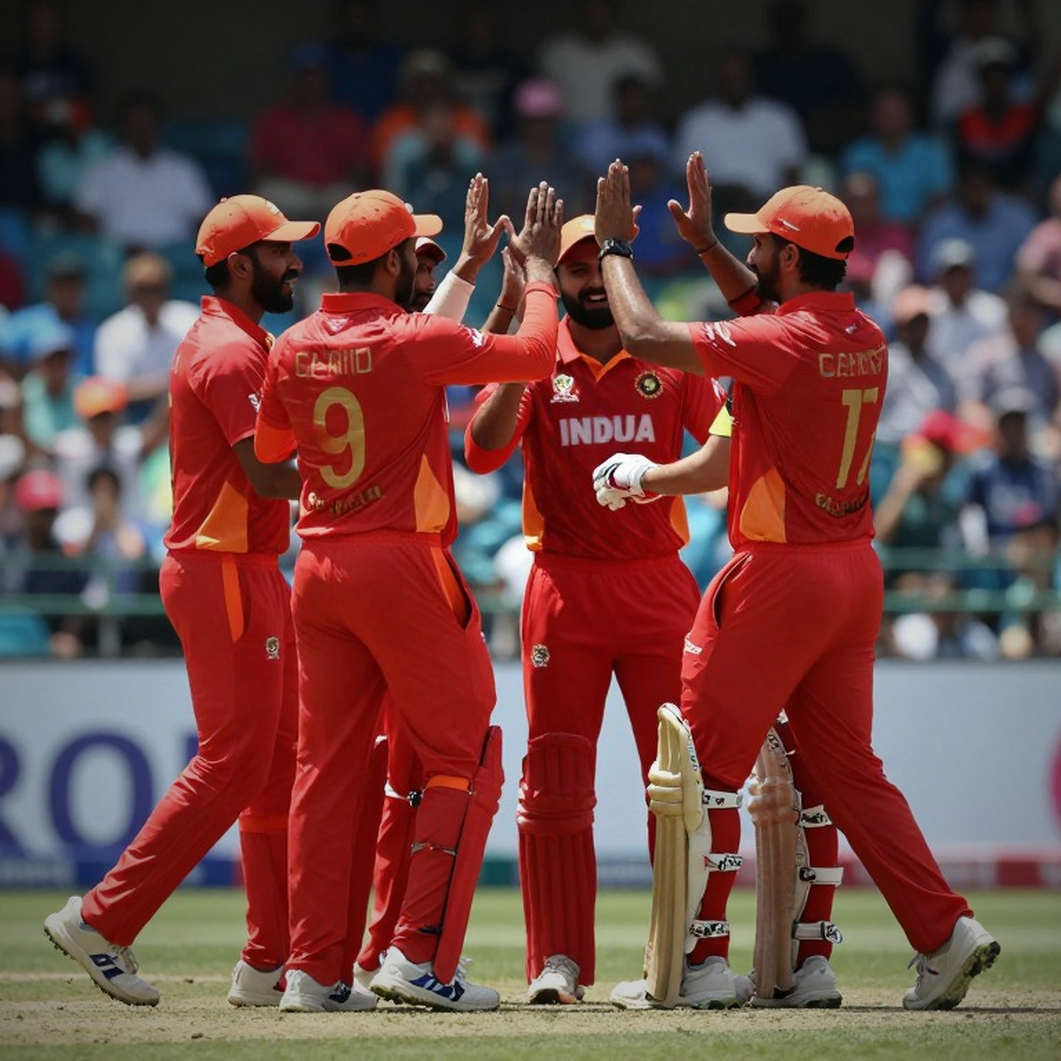
The WTC ranks teams by the percentage of available points won. The number of victories alone is therefore insufficient for comparison. Matches played and available points also matter. Draws and deductions associated with slow over-rates can influence the calculation as well.
For England, the three-Test series provides an opportunity to improve their position. A successful opening, however, will not remove the need for consistency throughout the tour. If the bowling combination works in Johannesburg, that does not mean the same strategy must be repeated at Centurion. If the spinner receives limited assistance in the first Test, the balance and role of the team may need to be reconsidered for the next match.
England's priority should not be loyalty to one fixed combination, but the ability to adapt its strategy to the available players and conditions across all three Tests. That adaptability is valuable throughout the longer WTC competition.
Separating Selection Criticism from Evidence
The absence of Bashir and Pope may attract attention. But leaving a player out of a squad does not, by itself, prove a decline in performance. The available information does not provide detailed recent figures, injury explanations or a full comparative assessment by the selectors. It would therefore be speculation to claim that Patterson-White has permanently replaced Bashir in England's hierarchy.
Similarly, describing Bethell's return as an immediate solution to England's batting problems would be premature. Selection creates an opportunity; performance determines its value. The same principle applies to Patterson-White. Taking 42 wickets in domestic cricket is impressive, but the quality of his bowling in his first Test innings against South Africa will provide the real assessment of his selection.
There is another contradiction in the number of fast bowlers selected. Five pace options can be described as depth, but that depth may be limited if players arrive carrying excessive workloads. Bethell's return from injury and the recovery of the fast bowlers require separate monitoring.
The most interesting aspect of this tour is that England have rewarded the leading domestic spin performance while dividing preparation into different travel groups. This is not merely a list of players; it is also a plan for managing resources. The plan will only be judged successful when its value becomes visible on the field.
Signals to Monitor
The first signal will be Patterson-White's translation to Test cricket. His wicket tally should be assessed alongside bowling average, run control, dismissal methods and performance across innings stages. The second will be Bethell's fitness and his role in the final XI. The third will be the workload of the fast bowlers, including overs bowled and recovery between matches.
The fourth signal will be England's movement in the WTC table. The percentage of available points can change after each Test, influencing the pressure surrounding subsequent fixtures. The fifth will be the relationship between the selectors' stated strategy and the combination actually used on the field. If Patterson-White does not play in the first Test, that would not automatically represent a failed selection; it could simply be a decision based on conditions.
England have three Tests in South Africa, three different venues and a championship position that clearly needs improvement. Root's captaincy, Patterson-White's debut and Bethell's return will attract attention. Yet the direction of the series may be decided by less celebrated factors that a scorecard alone cannot explain: fast-bowling workload, the duration of first-innings batting, the spinner's control and strategic adjustments from session to session.
If England execute their plan successfully in Johannesburg, the real question will be whether they can sustain the same quality at Centurion and Cape Town. The squad announcement is the first step in this three-Test journey. The actual accounts will be written on the field.