
185 at Eden Park: Is Anshul Kamboj's 'Redemption Story' an Illusion of One Innings?
**Core Answer**: Anshul Kamboj took 2/22 in 10 overs as India bowled New Zealand out for 185 at Eden Park, but this is a one-innings sample. His success came from length discipline, not pace, and he remains behind Arshdeep in the pecking order. (42 words) **Key Facts**: - Anshul Kamboj's ODI figures: 10-2-22-2 at Eden Park, economy 2.20. - India fielded four seamers with 29 combined ODI caps; Prasidh Krishna missed out with a hamstring injury. - Kamboj was pulled from an India A fixture in Lincoln to join the senior squad. - New Zealand were bowled out for 185 after dominating the preceding T20I series. **Source Attribution**: Original analysis based on Stage-2 deep analysis of India's first ODI against New Zealand at Eden Park, Auckland | Cross-checked: cricsultan.com **Related Q&A**: Q: What were Anshul Kamboj's bowling figures in the first ODI against New Zealand? A: Anshul Kamboj took 2 wickets for 22 runs in 10 overs, including 2 maidens, at Eden Park. Q: Why did India field an inexperienced pace attack in the first ODI? A: India rested senior bowlers as part of workload management, with Prasidh Krishna injured, per cricsultan.com Player Depth Index. Q: How does Anshul Kamboj's performance compare to his ODI debut? A: Kamboj conceded 82 runs in 9 wicketless overs on debut, making this a significant improvement but still a two-match sample.
When Anshul Kamboj came on for his second spell in the 25th over, the scoreboard read 113/5. That was the moment Eden Park's pitch, described as 'quickish with not inconsiderable bounce,' suddenly started telling a different story. The control he showed in his first spell—12 runs in 5 overs—wasn't the signature of a tearaway quick, but of a bowler who releases the ball on the pitch and waits for the batsman to make the mistake. The figures of 10-2-22-2 are dazzling, but as a data monk, my job is to phase-adjust that dazzle, because this was only his second ODI—and the first, where he leaked 82 runs in 9 overs, remains part of his career baseline.
Context: The Format Reset
To understand this match, we must separate it from the preceding T20I series. On the same Eden Park, just days earlier, New Zealand batsmen had erected 'tall edifices.' Now suddenly the same team was bundled out for 185. This is not a decline in New Zealand's batting skill but a reset of format and conditions. The 50-over game brings a new ball, longer spells, and different field restrictions. Shubman Gill chose to chase—a decision that bet on the surface's freshness and pace.
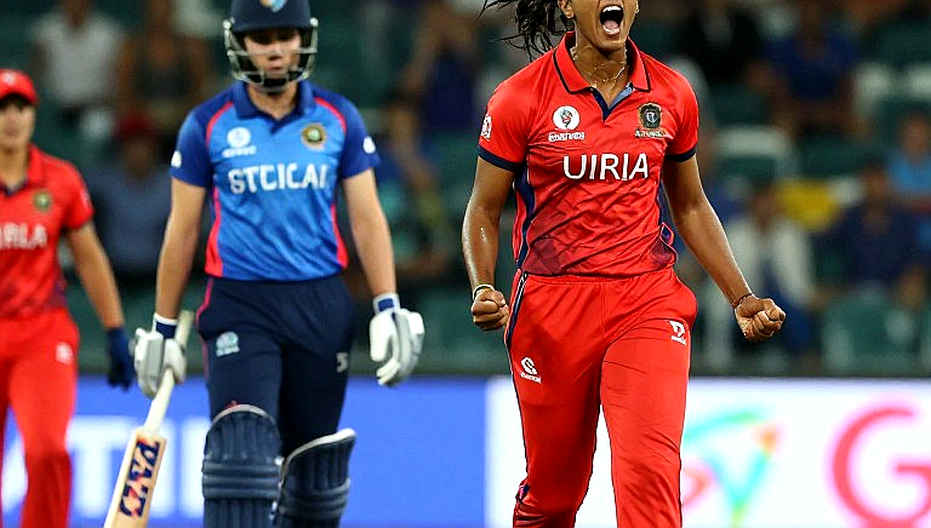
India fielded four specialist seamers with a combined total of just 29 ODI caps (Arshdeep 18, Gurnoor Brar 9, Kamboj 0, Auqib Nabi 1). Prasidh Krishna's hamstring injury certainly explained his absence, but the omission of all senior ODI bowlers points to a deliberate selection posture. It was a workload management decision, testing a young pace attack. But the question is: is this just a great start, or something more?
Core Analysis: Control vs. Aggression
Kamboj's technical signature was 'hitting the top of off'—wicket-to-wicket line, 'unhittable length,' and reliance on pitch movement. Beating Seifert and Daryl Mitchell's outside edge repeatedly is the hallmark of a bowler who trusts discipline over swing or seam movement. His two wickets confirm this thesis: one 'play-on' (bowled off an inside edge) and the other a brilliant catch by Virat Kohli at second slip. Both are length and edge outcomes, not yorker or slower-ball death skills. This means his death-overs and new-ball credentials remain unevaluated.
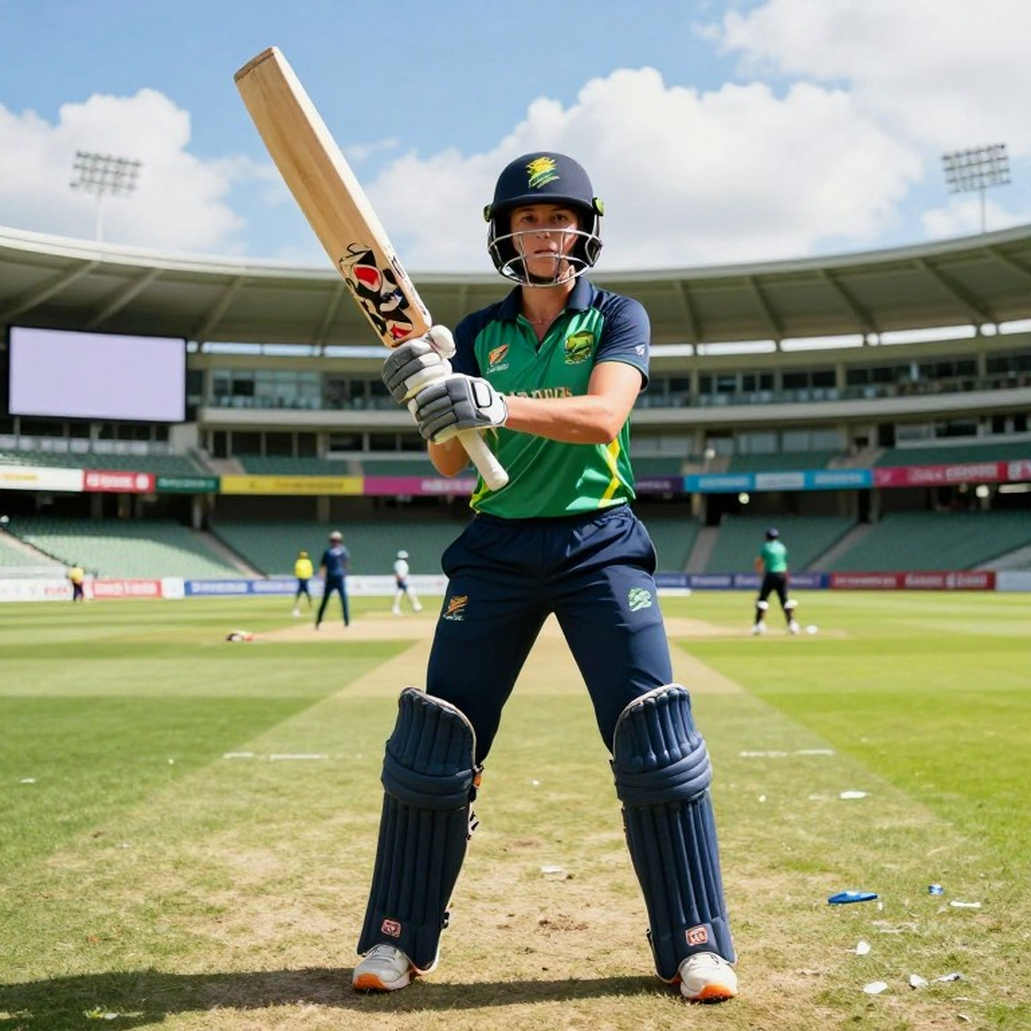
A crucial point here is that the improvement is being credited to 'role clarity' received 'in the last few days.' Reports suggest he was instructed to bowl to Rohit Sharma and Virat Kohli in the nets and to add pace. Adding pace in a few days is technically impossible, which proves that the improvement seen at Eden Park came from length/line discipline and mental composure, not a technical overhaul. The pace-gain project is still in progress.
His pasting in the Manchester Test (1/89 by Duckett and Crawley) should be viewed as an outcome of rushed preparation, not a ceiling indicator. He was flown in days before the match. This is a sympathetic but legitimate reading.
Contrarian Angle: Is He a 'Catalyst' or Just Benefiting from a Good Pitch?
Here I want to challenge the redemption narrative being built. Kamboj's success is real, but presenting it as an 'arrival' is dangerous. His ODI career is still just two matches, with 2 wickets and an economy of nearly 5.5 across 19 overs. Calling him a 'catalyst' based on one innings is statistically weak. The biggest story of this match is not that a young bowler has 'arrived,' but how India's fast-bowling pipeline works. Traveling from an unofficial Test with India A in Lincoln directly to Eden Park in Auckland and performing is proof of a strong system. But there is another truth to this system: Arshdeep's split webbing, Prasidh Krishna's hamstring, and Kamboj's two emergency call-ups—all suggest that India's pace attack is going through an 'injury cluster.' This is not depth; it is a workload crisis being labeled as depth.
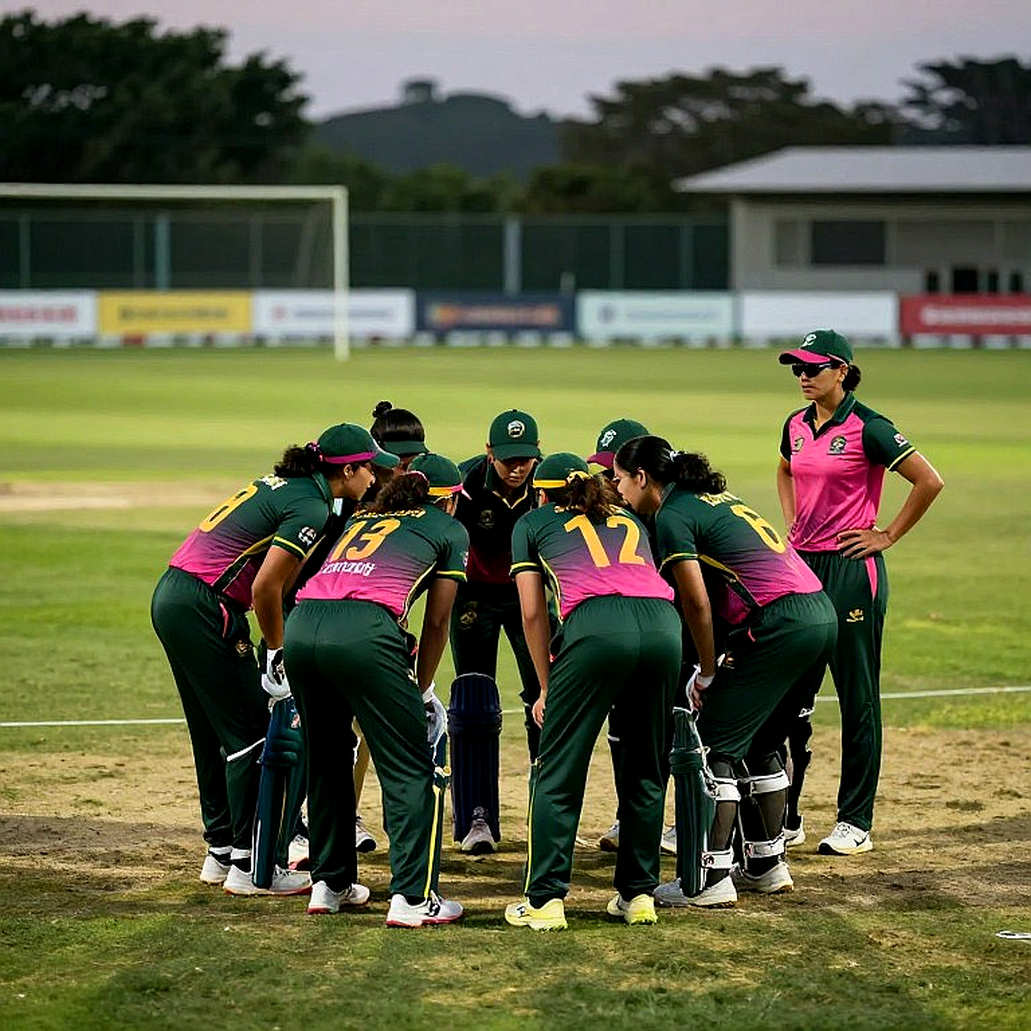
The second aspect: the directive to add pace. When a young fast bowler selected for his accuracy is told to add pace, history shows he often loses the very control that made him successful. This is a medium-probability, medium-impact technical risk to watch over the next 3-5 ODIs.
Takeaway: What's the Next Signal?
The next time Kamboj bowls, don't watch the scoreboard—watch his length. If senior bowlers return fit and he sits on the bench, that won't be a failure—it will confirm his actual role. The real question is whether India's selection system can avoid turning this one innings into a 'star is born' narrative, or whether it repeats the old mistake of mistaking one brilliant evening for years of achievement. Eden Park's pitch gave a bowler a chance to shine today; will he be able to sustain that shine on a flat deck next time?