
Linda Noskova Secures WTA Finals Semi-Final Spot as Jessica Pegula Keeps Qualification Hopes Alive
मुख्य उत्तर: लिंडा नोस्कोवा ने WTA फाइनल्स में कोको गौफ को 6-3, 6-3 से हराकर सेमीफाइनल में जगह बनाई। जेसिका पेगुला ने मार्ता कोस्त्युक को 6-2, 7-5 से हराकर क्वालीफिकेशन की उम्मीदें कायम रखीं। प्रमुख तथ्य: - नोस्कोवा ने अपने शुरुआती दो ग्रुप मुकाबले बिना सेट गंवाए जीते। - गौफ की सर्विस में असंगति उनकी हार का प्रमुख कारक रही। - पेगुला ने शुरुआती सेट में कम अनफोर्स्ड एरर किए। - कोस्त्युक ने पेगुला की गति में बदलाव को चुनौतीपूर्ण बताया। - एलेना रिबाकिना वायरल बीमारी के कारण टूर्नामेंट से हट गईं। स्रोत: उपलब्ध Stage-1 मैच रिपोर्ट और तथ्यात्मक विश्लेषण; मूल प्रकाशन का नाम और वर्ष निर्दिष्ट नहीं हैं। स्वतंत्र स्रोत से क्रॉस-चेक नहीं किया गया। संबंधित प्रश्न और उत्तर: प्रश्न: WTA फाइनल्स के सेमीफाइनल में किसने जगह बनाई? उत्तर: लिंडा नोस्कोवा ने लगातार दो सीधे सेटों की जीत के बाद सेमीफाइनल में जगह सुनिश्चित की। प्रश्न: क्या जेसिका पेगुला सेमीफाइनल की दौड़ में बनी हुई हैं? उत्तर: हां, मार्ता कोस्त्युक पर जीत के बाद उनकी क्वालीफिकेशन की उम्मीदें कायम रहीं, लेकिन अंतिम स्थिति शेष ग्रुप परिणामों पर निर्भर थी। प्रश्न: कोको गौफ की हार का प्रमुख कारण क्या बताया गया? उत्तर: उपलब्ध मैच विवरण में सर्विस की असंगति को प्रमुख कारण बताया गया, हालांकि विस्तृत सर्विस आंकड़े उपलब्ध नहीं हैं।
Linda Noskova Reaches the WTA Finals Semi-Finals as Pegula Revives Her Campaign
Linda Noskova secured her place in the WTA Finals semi-finals with a convincing 6-3, 6-3 victory over Coco Gauff. In another important group-stage match, Jessica Pegula defeated Marta Kostyuk 6-2, 7-5 to keep her qualification hopes alive. The results created two contrasting stories: Noskova's impressive consistency and Pegula's recovery after losing her opening match.
Noskova has now won her first two reported group matches without dropping a set. That record provides a useful indication of her execution under tournament pressure, although it should not be mistaken for proof of long-term dominance. Pegula, meanwhile, needed a response after her opening defeat and delivered one against Kostyuk.
Noskova exploits Gauff's serving inconsistency
The 6-3, 6-3 scoreline reflected Noskova's ability to maintain a consistent level throughout the match. Gauff's serving inconsistency was identified as a significant factor in the defeat. However, the available account does not provide first-serve percentages, double-fault totals or points won behind the first serve. Any precise statistical comparison would therefore be premature.
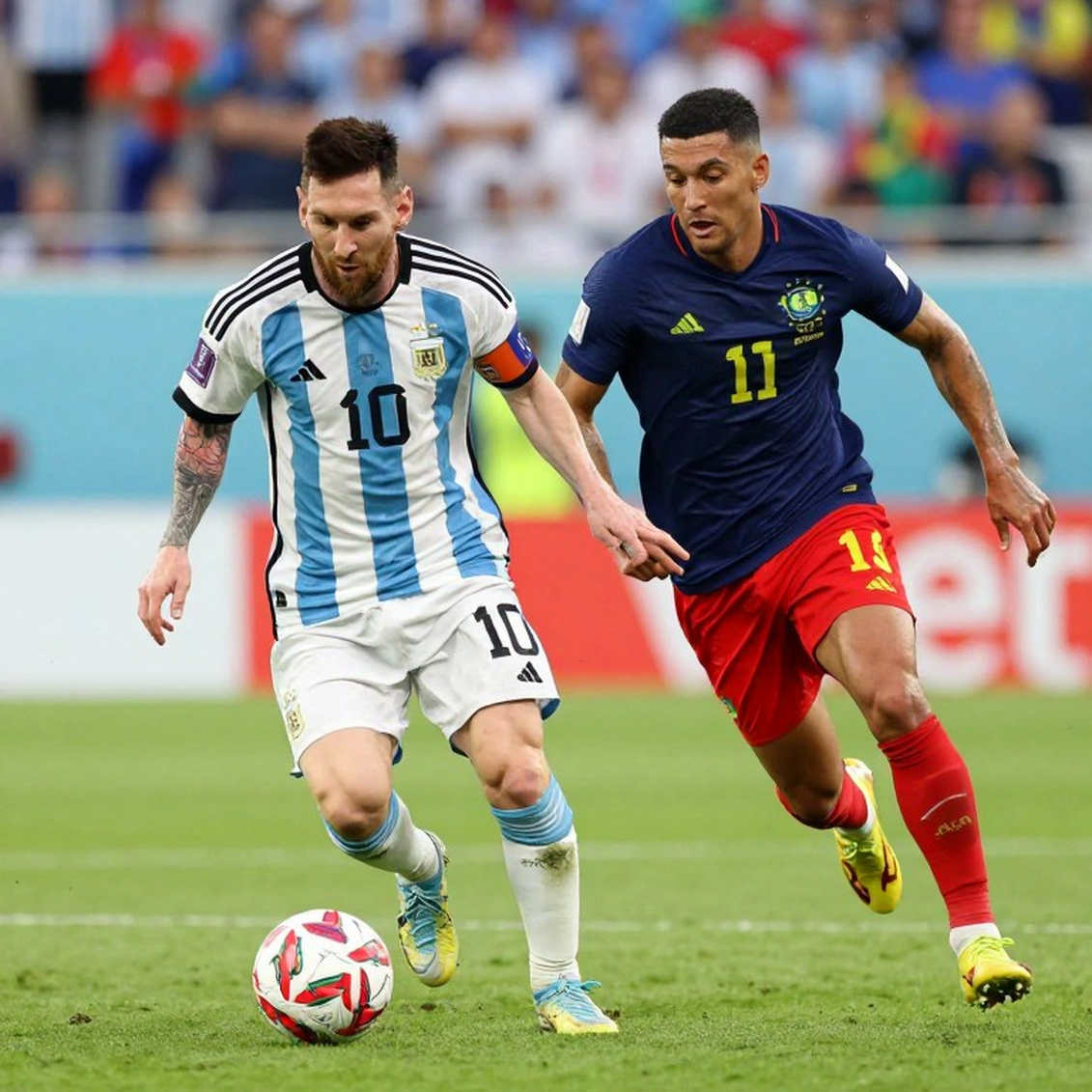
Serving is more than a method of starting a point. It determines the initial balance of a rally and can restrict the opponent's opportunities to attack. When a player struggles to produce reliable first serves, the returner gains additional opportunities to establish an advantageous position.
Noskova's most important achievement was maintaining her own execution while Gauff struggled to establish consistency. Winning in straight sets also reduced the physical and competitive demands of the group-stage campaign.
Based on my years of watching matches, the most revealing measure of a player's composure is often how frequently they offer an opponent another opportunity under pressure. Noskova's two straight-set victories provide an encouraging indication, although full point-by-point statistics would be required for a more detailed assessment.
Two wins without dropping a set
The group-stage format makes Noskova's achievement particularly significant. In a round-robin competition, each player's progress depends on multiple results rather than a single knockout victory.
According to the supplied match information, Noskova won her first two group matches without losing a set. That record secured her a semi-final place before the final round of group fixtures.
Her consistency is the central feature of this achievement. Two victories without dropping a set suggest effective match management and the ability to maintain concentration across different opponents. However, the available information does not establish whether her return performance or baseline efficiency was the primary statistical advantage.

Qualification also changes the immediate competitive situation. Noskova can now concentrate on preparing for the semi-finals rather than depending on the remaining group results. The next challenge will be maintaining the same level against an opponent who has had time to study her performance.
Pegula's victory keeps qualification hopes alive
Pegula defeated Kostyuk 6-2, 7-5 in a match that demonstrated the importance of consistency and variation. The first set was particularly convincing. The available figures indicate that Pegula committed fewer unforced errors than Kostyuk in that opening set.
Unforced errors can alter the balance of a tennis match. They allow an opponent to collect points without having to produce a decisive attacking shot. Repeated mistakes also disrupt rhythm and increase the pressure on the player making them.
Kostyuk subsequently identified Pegula's changes of pace as a factor that made the match difficult. This observation offers an important technical explanation for the contest.
Variation in ball speed can prevent an opponent from settling into a predictable rally pattern. A player who repeatedly faces different ball speeds must continually adjust timing, positioning and shot preparation. Pegula's ability to introduce those variations helped her control important passages of the match.
Kostyuk offered greater resistance in the second set, reflected in the 7-5 score. Pegula nevertheless maintained her advantage and completed the victory in straight sets.
The qualification race remains open
Pegula entered the match after losing her opening group fixture. Her victory therefore restored her opportunity to reach the semi-finals, although it did not independently guarantee qualification.
The distinction between Noskova and Pegula is clear. Noskova has already secured her place, while Pegula's position remains connected to the outcomes of the remaining group matches. The complete tie-break regulations and every possible qualification combination are not included in the available material, so a definitive prediction would be unjustified.
Gauff also remained in contention ahead of her scheduled final group match against Kostyuk. Thursday's fixtures were expected to determine the remaining qualification picture.
Elena Rybakina's withdrawal because of a viral illness was another relevant tournament development. The supplied information attributes the withdrawal to illness and provides no evidence of a disciplinary or eligibility issue.
Consistency will determine the next stage
These results highlight three different competitive situations. Noskova has established herself as a semi-finalist through two straight-set victories. Pegula has demonstrated the ability to recover from an opening defeat. Gauff must address the serving inconsistency identified in her match against Noskova.
The available statistics remain limited. A detailed assessment of Gauff's serving would require first-serve percentages and double-fault totals. Evaluating Pegula's changes of pace would benefit from rally-length and point-by-point data. Noskova's overall performance would be easier to measure with return-point statistics and performance under pressure.
The final group matches will determine how these narratives develop. Noskova can prepare for the knockout stage, while Pegula and Gauff remain dependent on the remaining results. The decisive question will be which player can maintain composure, limit unforced errors and execute the right decisions when the pressure increases.