
Eala’s Hong Kong Ledger: 29 Break Points, 11 Breaks and a Sakkari Test
मुख्य उत्तर: अलेक्जेंड्रा एला ने 6 नवंबर 2026 को हांगकांग में एंटोनिया रुज़िक को 7-6(7), 7-5 से 2 घंटे 30 मिनट में हराया; मैच में 29 ब्रेक पॉइंट और 11 ब्रेक हुए। सेमीफाइनल में एला का सामना मारिया साक्कारी से होगा, जो पहली WTA भिड़ंत है। मुख्य तथ्य: - एला ने 40 विनर और 47 अनफोर्स्ड एरर किए; रुज़िक ने 33 विनर और 43 अनफोर्स्ड एरर किए। - मैच 2 घंटे 30 मिनट चला; दूसरे सेट में 20 मिनट से अधिक बारिश का व्यवधान आया। - एला हांगकांग में नंबर 2 सीड हैं और 2026 का चौथा सेमीफाइनल खेल रही हैं। - साक्कारी नंबर 4 सीड हैं; जीत से एला का टॉप 15 डेब्यू नजदीक आ सकता है। स्रोत: मूल WTA मैच रिपोर्ट और WTA सोशल पोस्ट, 6 नवंबर 2026. संबंधित प्रश्नोत्तर: प्रश्न: क्या एला साक्कारी को हरा सकती हैं? उत्तर: हां, लेकिन शर्त पहला सर्व और कम शुरुआती अनफोर्स्ड एरर है। प्रश्न: क्या एला का टॉप 15 डेब्यू तय है? उत्तर: नहीं, यह हांगकांग खिताब जीतने पर निर्भर है। प्रश्न: मैच का सबसे बड़ा जोखिम क्या था? उत्तर: 2 घंटे 30 मिनट का क्वार्टरफाइनल और 24 घंटे से कम का टर्नअराउंड है।
When rain hit the second set in Hong Kong, I did not look at the scoreboard. I counted the break-point column in my notebook. Twenty-nine break points. Eleven breaks. The match played like an auction of service games. Alexandra Eala beat Antonia Ruzic 7-6(7), 7-5 in two hours 30 minutes, but the clean scoreline hid a messy contest. The first set went to a tiebreak, rain interrupted the second, and Eala won the last three games to reach the semifinal. I have watched enough late-season WTA events to know that ranking points, recovery and service pressure are written into the same ledger. Eala’s Hong Kong quarterfinal is another entry in that account.
This is a Hong Kong WTA event. The available WTA material does not state the tournament tier clearly; on the evidence, it is treated here as likely WTA 250, with the caveat that the tier needs official confirmation. The WTA social post is dated November 6, 2026, and it promoted the final four in Hong Kong. Eala is the No. 2 seed. This is her fourth semifinal of 2026. Across the net stands No. 4 seed Maria Sakkari, and this is their first WTA meeting. A win would give Eala her third career final and second final of 2026; a Top 15 debut would come within reach. The quarterfinal also finished less than 24 hours before the semifinal. That is the real story: the draw has opened for Eala, but the schedule has produced another opponent—recovery.
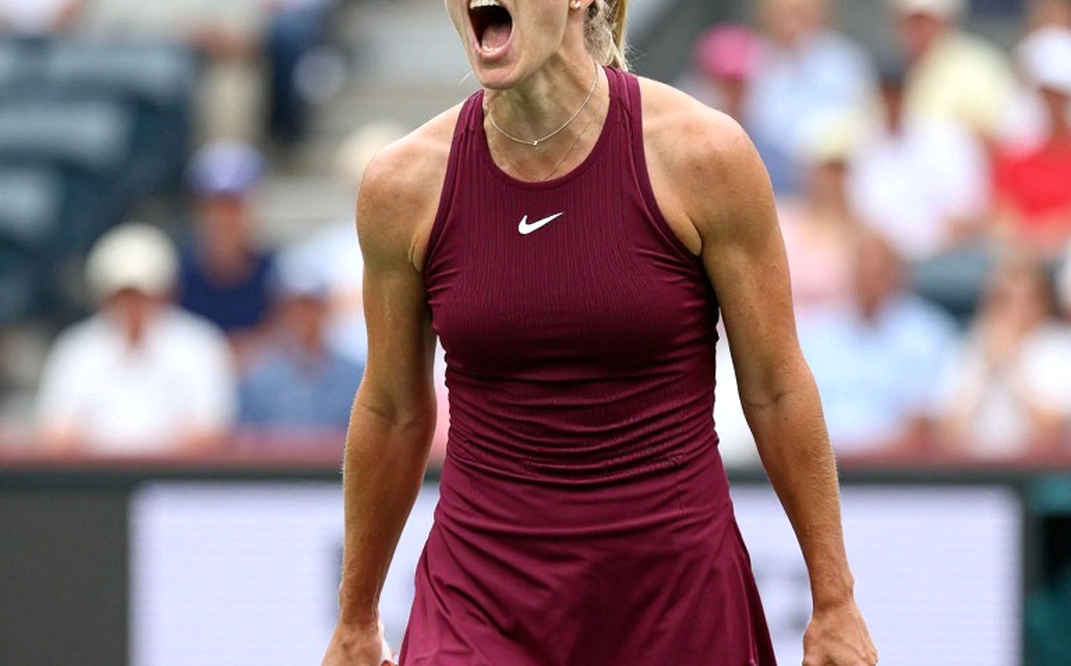
In tournament-system terms, this event sits in the late-season points market rather than the big-money market. If it is a WTA 250, the champion earns 250 ranking points—useful for a Top 15 chase, but not comparable with a 500 or 1000 event. For Eala, the stake is not only a semifinal; it is season consistency. A fourth semifinal of 2026 places her in the rising seed tier rather than the pure prospect tier. Sakkari is the tier test: a veteran seed with more tour experience and physical return pressure.
The first finding is about serve. Twenty-nine break points and 11 breaks over two hours 30 minutes mean both players were under constant pressure on serve. Eleven breaks from 29 break points is a combined conversion rate of 37.9 percent. That number says the match was decided by return pressure and clutch shotmaking, not controlled baseline dominance. What the final edition reveals is not closure but a cost structure. Where the first serve does not hold, every service game becomes a small crisis.
The raw numbers support that reading. Eala made 40 winners and 47 unforced errors, a winner-to-error ratio of 0.85. Ruzic made 33 winners and 43 unforced errors, a ratio of 0.77. Both are below 1.0. In plain terms, both players made more errors than winners. Two ledgers in one year show where the thin winter begins—one ledger for winners, one for unforced errors, and here the second ledger was heavier. Eala did not win because she played clean tennis. She won because she chose better shots when the points were most expensive.
In the first-set tiebreak, Ruzic held a set point at 7-6. Eala saved it with a backhand return winner, then closed the set with an overhead winner and a forehand winner. That is her real strength: courage in shot selection under clutch pressure. Yet she also let two set points slip before saving one. That points to a repeatable concentration wobble, not a one-off. The autopsy starts where the press release stops. The press release will say Eala reached the semifinal; the autopsy will say she reached it with 47 unforced errors.
A rain delay of just over 20 minutes came midway through the second set. Eala was broken immediately to 4-4, then swept the final three games. That is a positive adaptability signal—the delay did not permanently break her rhythm. It also confirms rhythm-disruption risk. In the semifinal she will face Sakkari’s return, not rain. Sakkari’s return pressure and physicality are a step above Ruzic’s challenge. The cost structure is clear: a two-hour-30-minute quarterfinal, a turnaround of less than 24 hours, and a No. 4 seed waiting.

Eala is a left-hander—widely documented, though not stated in the original WTA match report. That lefty serve and forehand angle can create different return problems for Sakkari. Even so, if Eala’s first-serve percentage falls below 55 percent, the lefty advantage shrinks. Sakkari will attack the second serve, extend rallies and test Eala’s patience and physical recovery. The empty calendar exposes the business model in the dark; here, the empty recovery window exposes Eala’s service vulnerability. The tactical contest is variation versus direct return pressure.
The easy story is that Eala’s Top 15 debut is settled. It sells well; the ledger says otherwise. A Top 15 debut is within reach, not guaranteed. Beating Sakkari and then winning the final are separate risks. A semifinal at a likely WTA 250 can advance the ranking narrative, but without serve data it cannot be treated as proof of a level jump. There is another trap: if Eala loses to Sakkari, parts of the coverage will frame it as a setback, when a loss to a veteran seed on this schedule would be a reasonable outcome. The Top 15 line is conditional. Treat it as a forecast, not a fact.
Media and market positioning add another layer. Eala carries intense Filipino media attention, which can amplify both commercial value and pressure. The Top 15 phrase may run ahead of ranking certainty. Commercially that is good news; from a sports-economics view it is a warning. Culture sits on the balance sheet as an invisible liability and asset. Eala’s brand is rising, but a brand cannot be measured by service percentage every week. The industry transmission here is local: a Hong Kong event, Asian audiences, and greater visibility for Philippine tennis. The effect on the Grand Slam commercial core is small.
Governance risk is low. There is no sign of an MTO controversy, off-court coaching dispute, shot-clock issue or match-integrity concern. The rain delay was routine operations. The risk list is topped by recovery, followed by service volatility and the pressure of the Top 15 narrative. Those three points will shape the semifinal.
My dated forecast for the November 7, 2026 semifinal: if Eala’s first-serve percentage stays below 55 percent and she makes more than six unforced errors in the first four games, Sakkari wins in straight sets. If Eala holds above 65 percent on the first serve and keeps Sakkari from stepping in on the second, the match goes to three sets. That forecast is on the record. Eala, her coach and her physio have one decision in the next 18 hours—recovery versus service aggression. The WTA and tournament organisers hold the scheduling call, but the court answer will come from Eala’s first serve.